
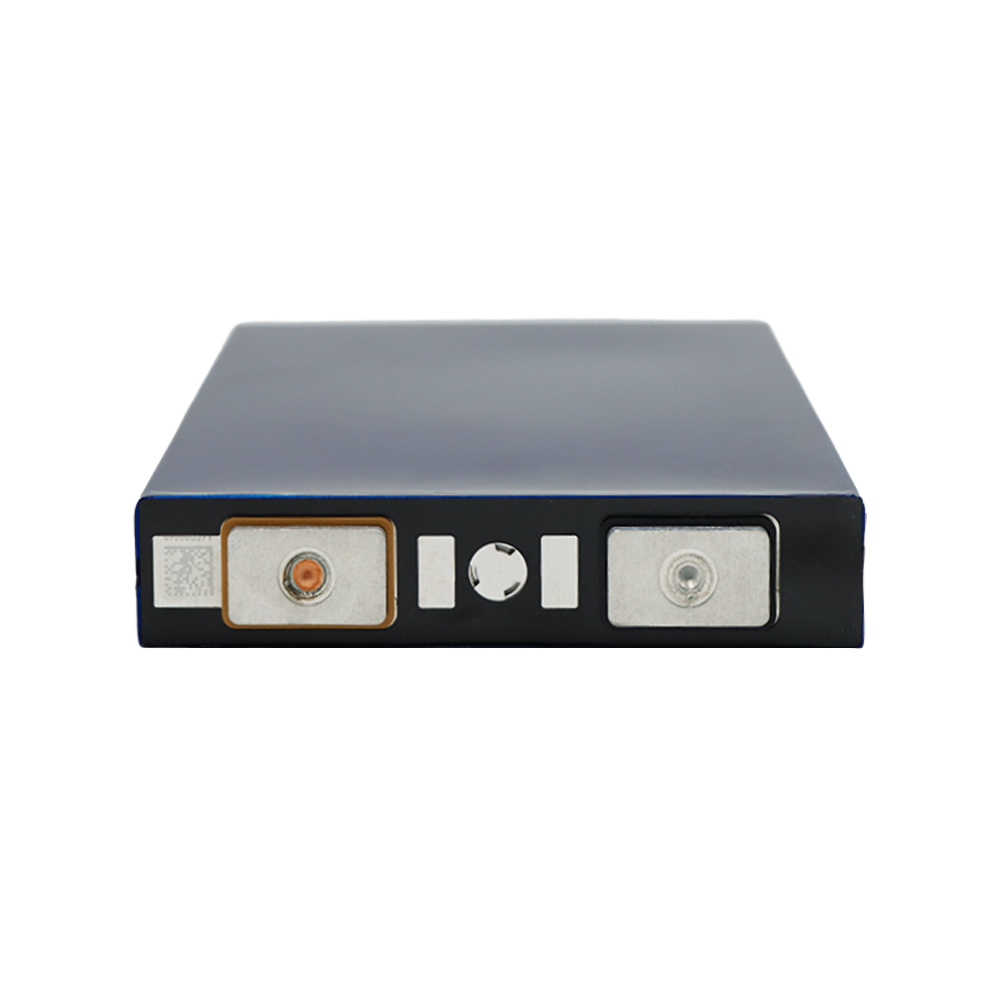
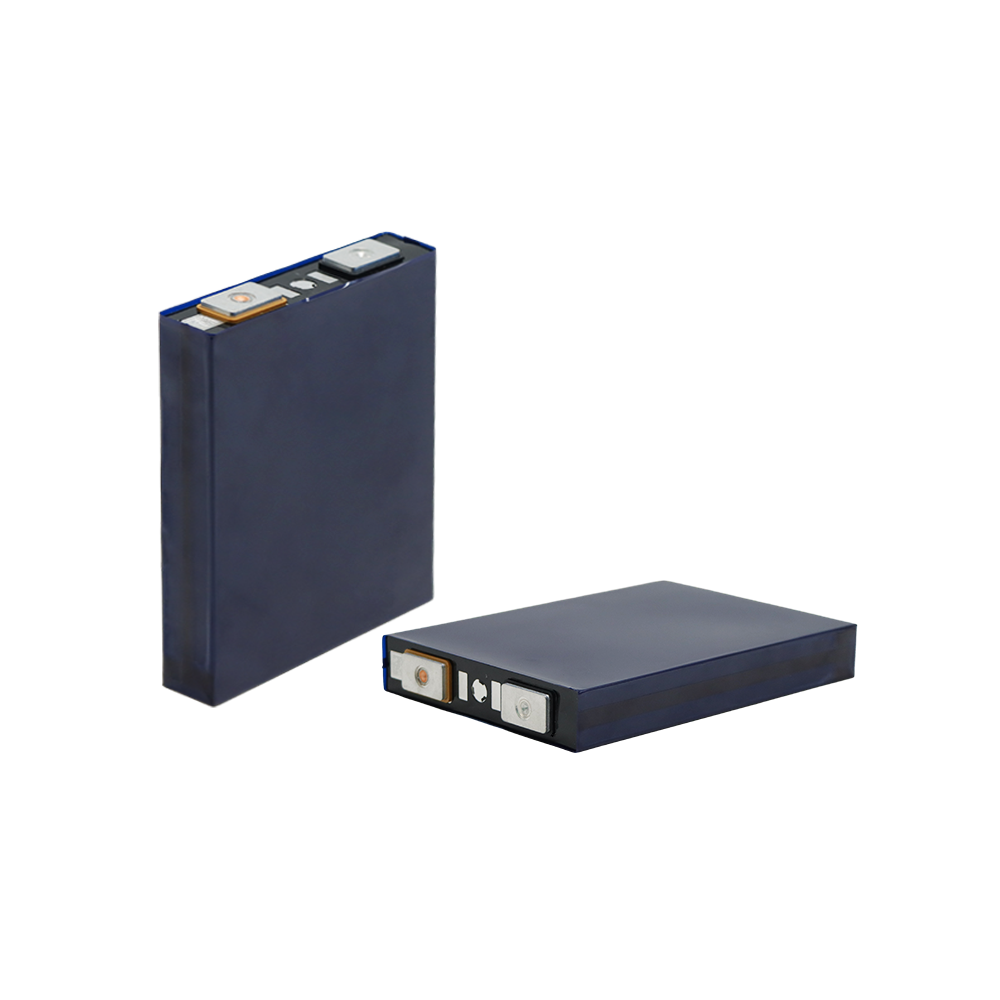
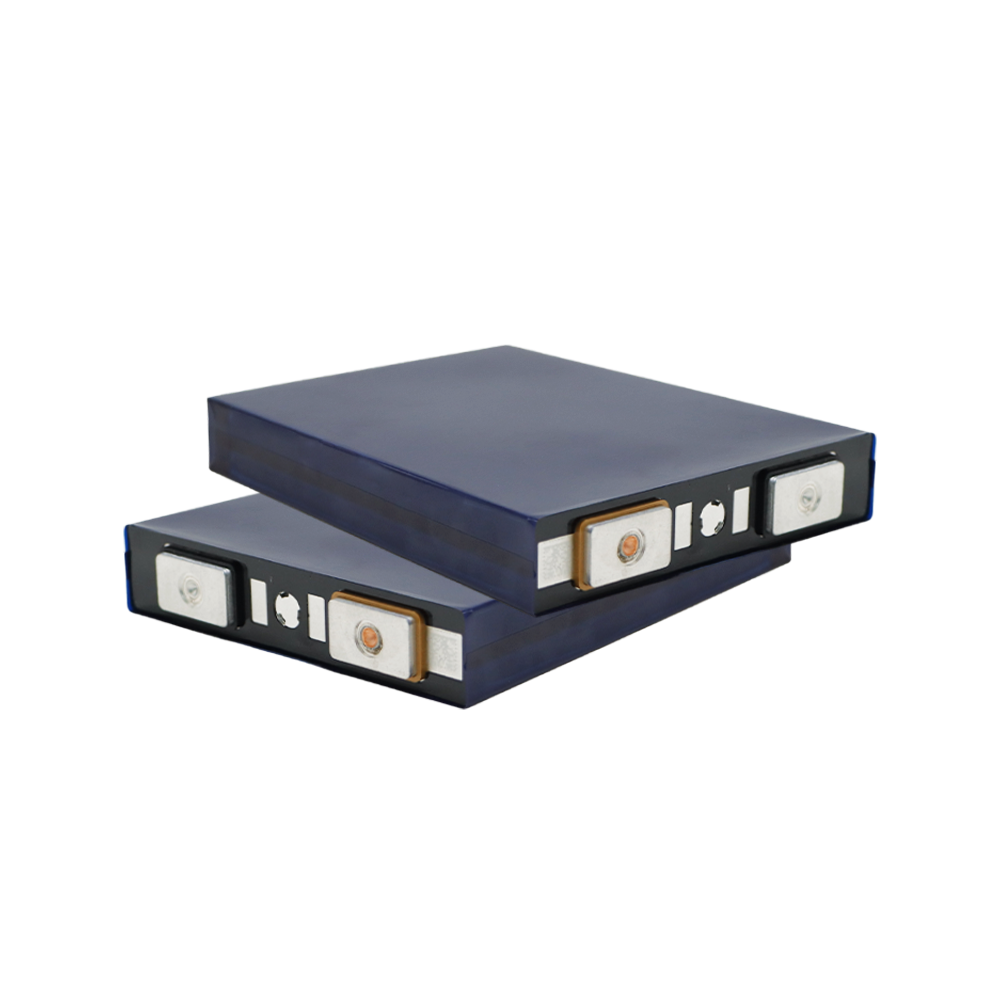
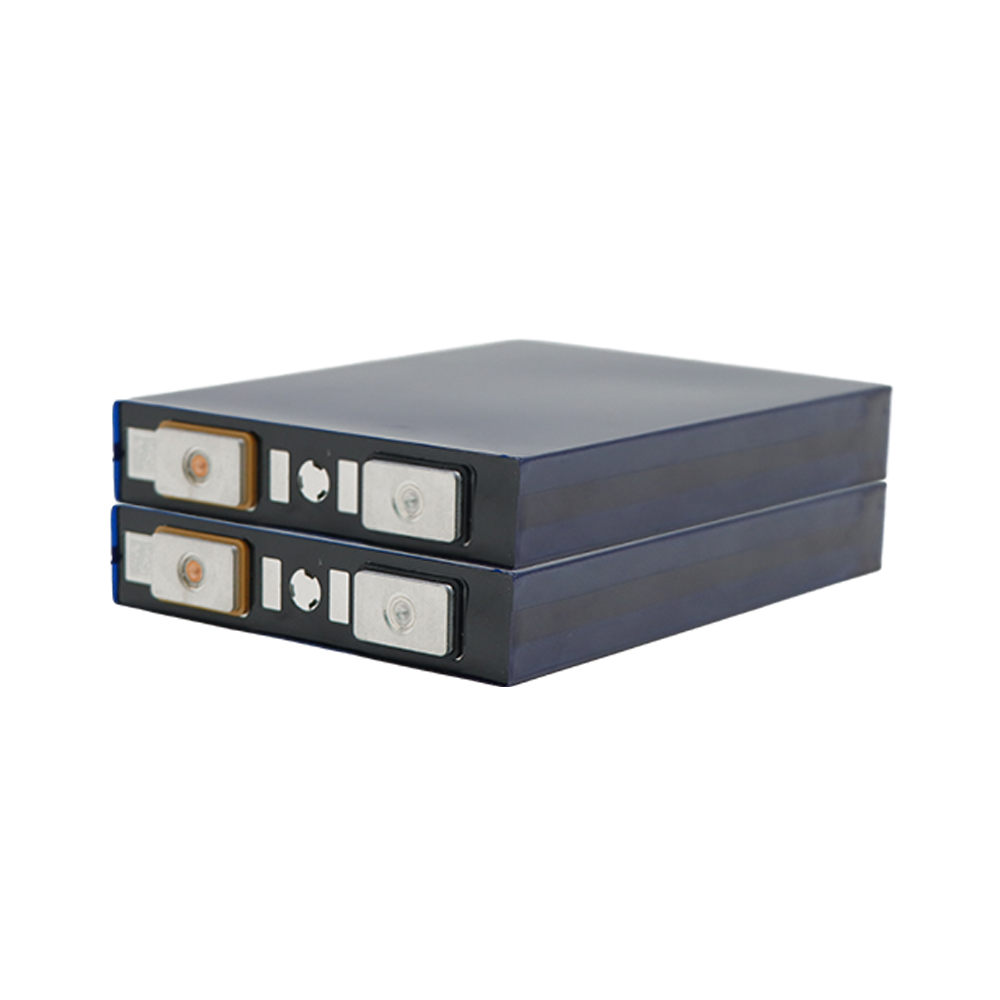
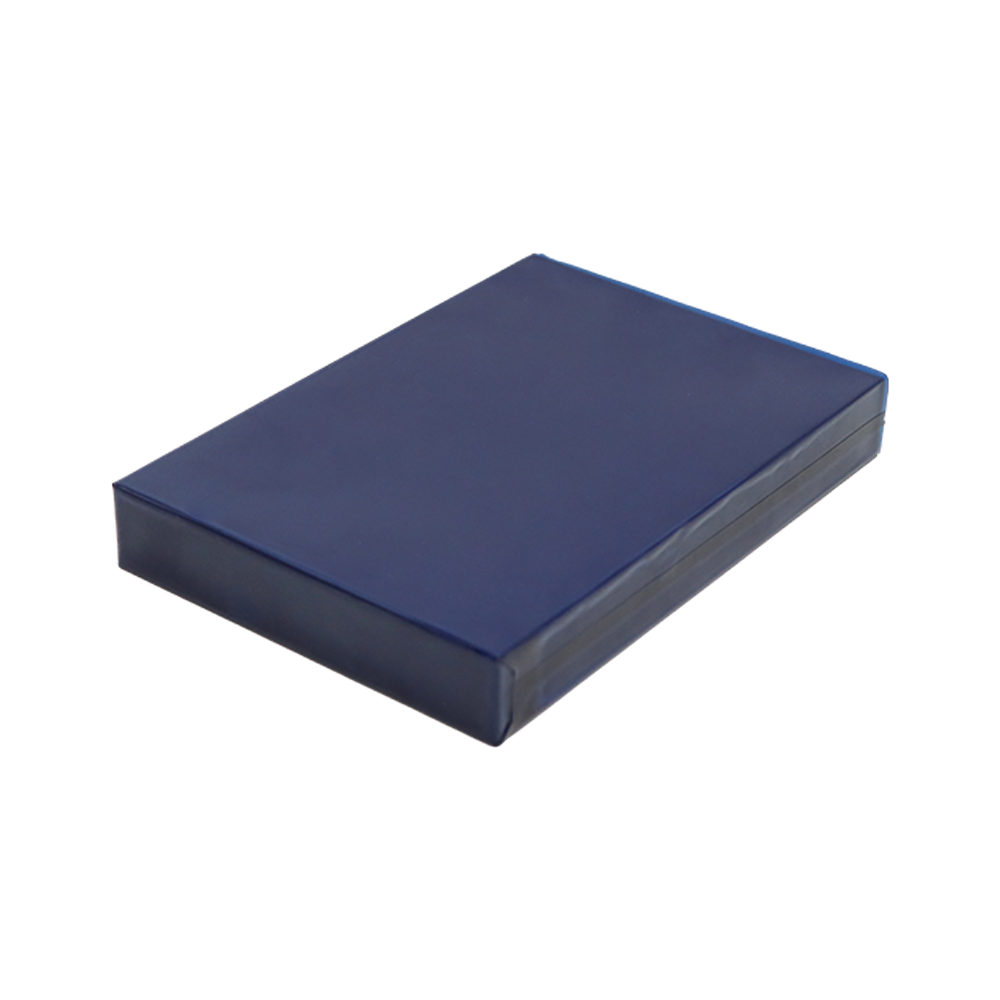
Custom 3.2v 30ah LiFePO4 Battery Cell Manufacturers, Factory
Product Description
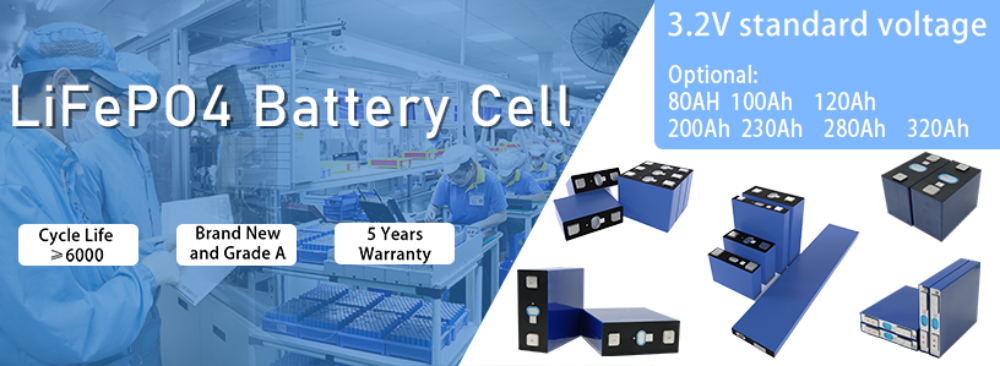
LiFePO4 3.2V 30Ah Specification
| Nominal Voltage | 3.2V | Nominal Capacity | 30Ah |
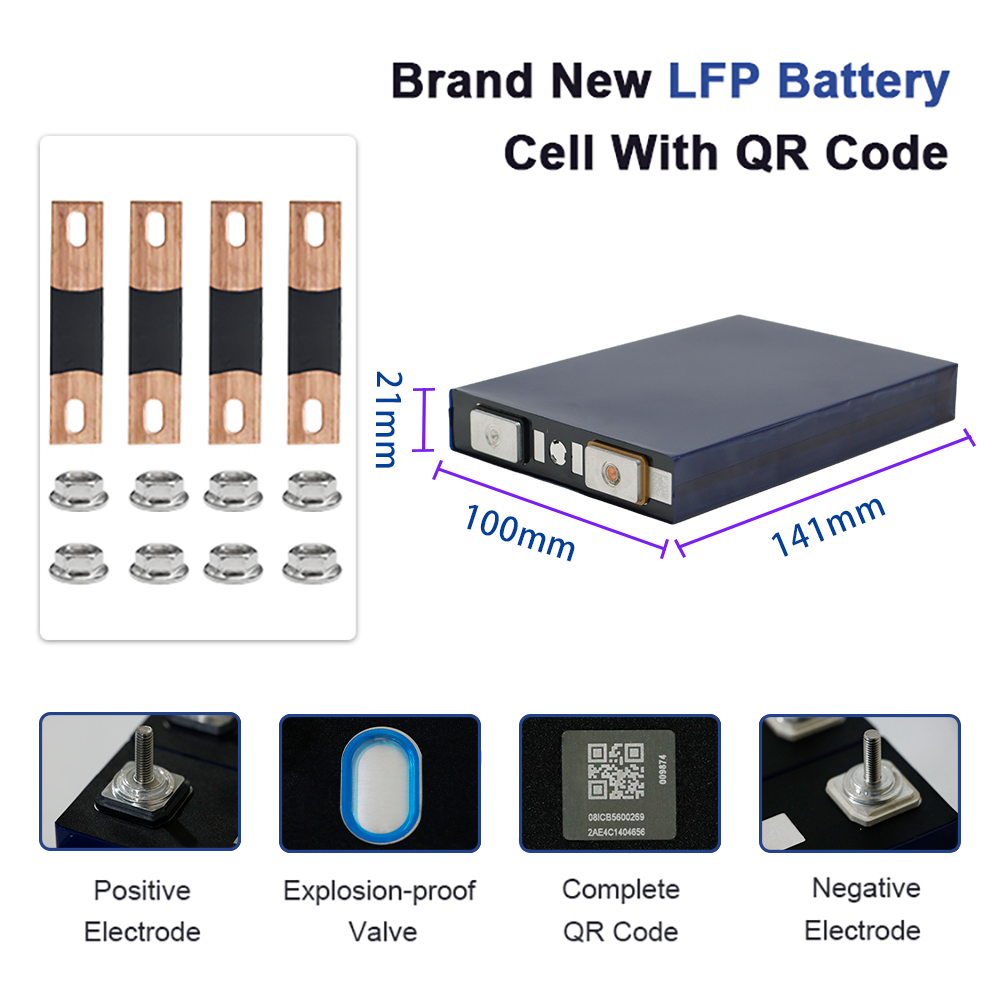
| Energy in Watt-hour | 96Wh | Terminal | M6 |
| Max Continuous Discharging Current | 30A | Max Continuous Charging Current | 30A |
| Max Discharging Current | 60A | Max Charging Current | 60A |
| Charge Temperature | 32°F~131°F (0°C~55°C) | Discharge Temperature | -4°F~131°F (-20°C~55°C) |
| Storage (1 month) | -4°F~113°F (-20°C~45°C) | Storage (1 year) | 32°F~95°F (0°C~35°C) |
| Cathode Material | LiFePO4 | IP Rating | IP65 |
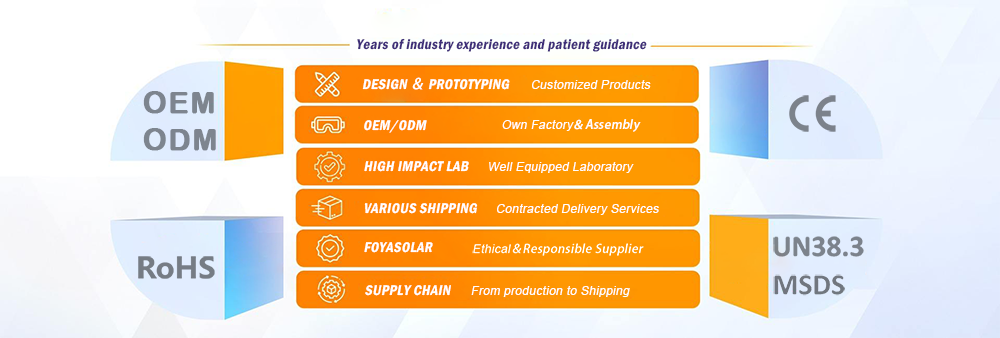
| OEM/ODM | A warm welcome with customized options for cases, logos, and labels... | ||
| Function Options | Bluetooth, WIFI, Self-heating, RS485, CAN Bus, etc | ||
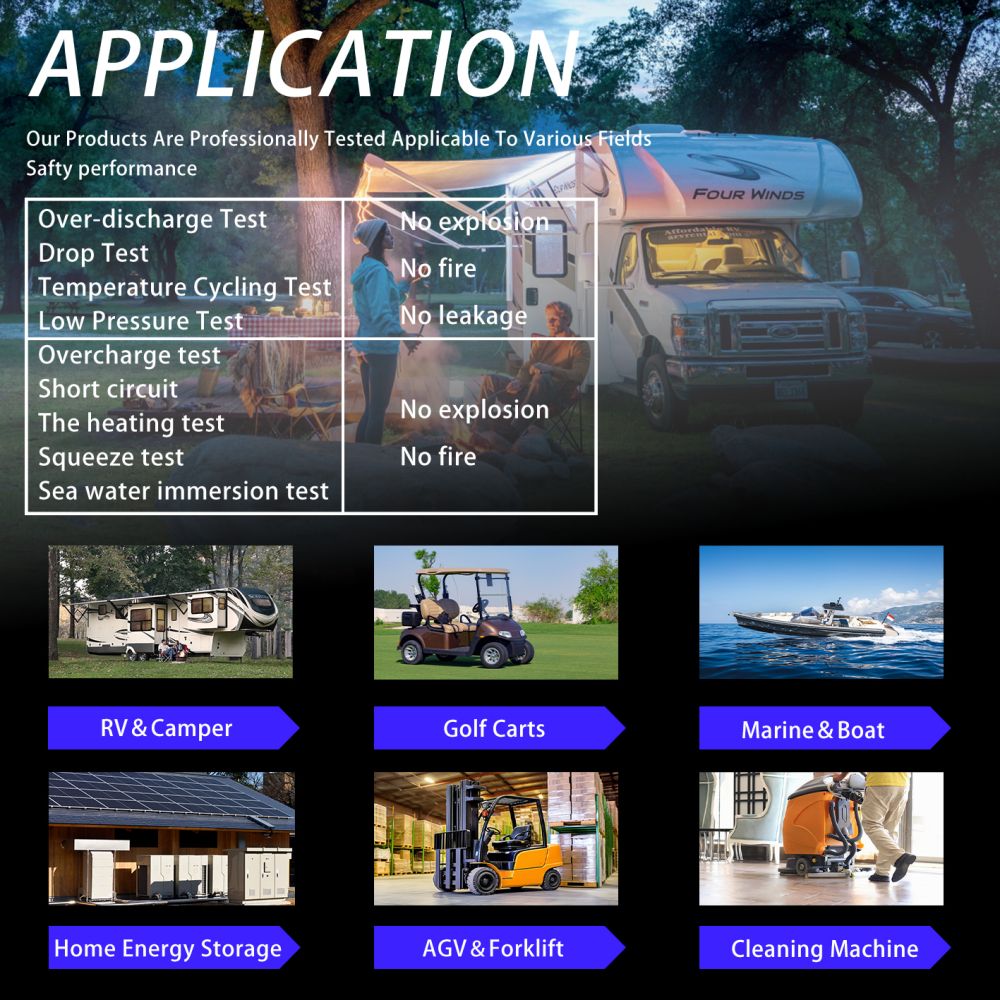
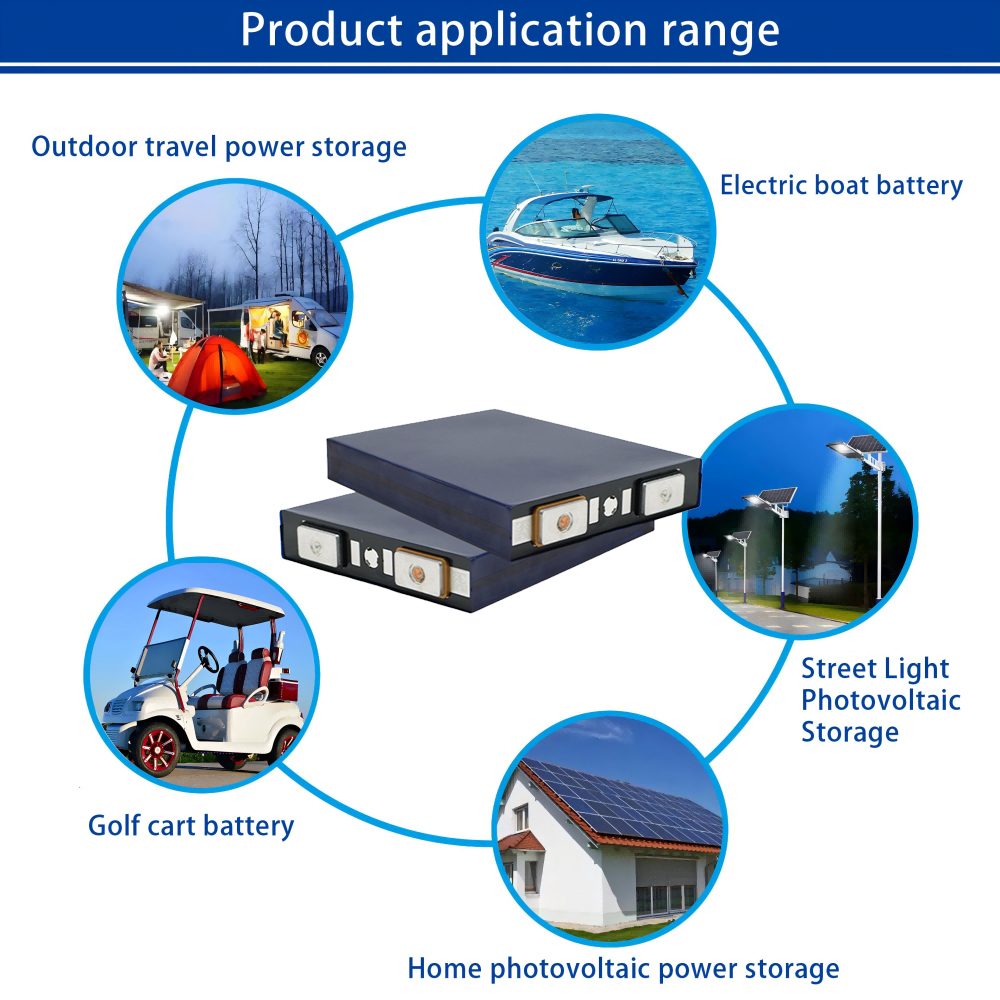
Main Application
Product Advantage
3.2V Voltage | 30Ah Capacity
FOYASOLAR 3.2V 30Ah LiFePO4 battery cells provide a reliable 96Wh of usable energy, making them ideal for solar systems, electric vehicles, marine applications, and backup power solutions. Each battery is 100% quality tested before shipping for superior performance and consistency.
Long Service Life | 5000+ Cycles
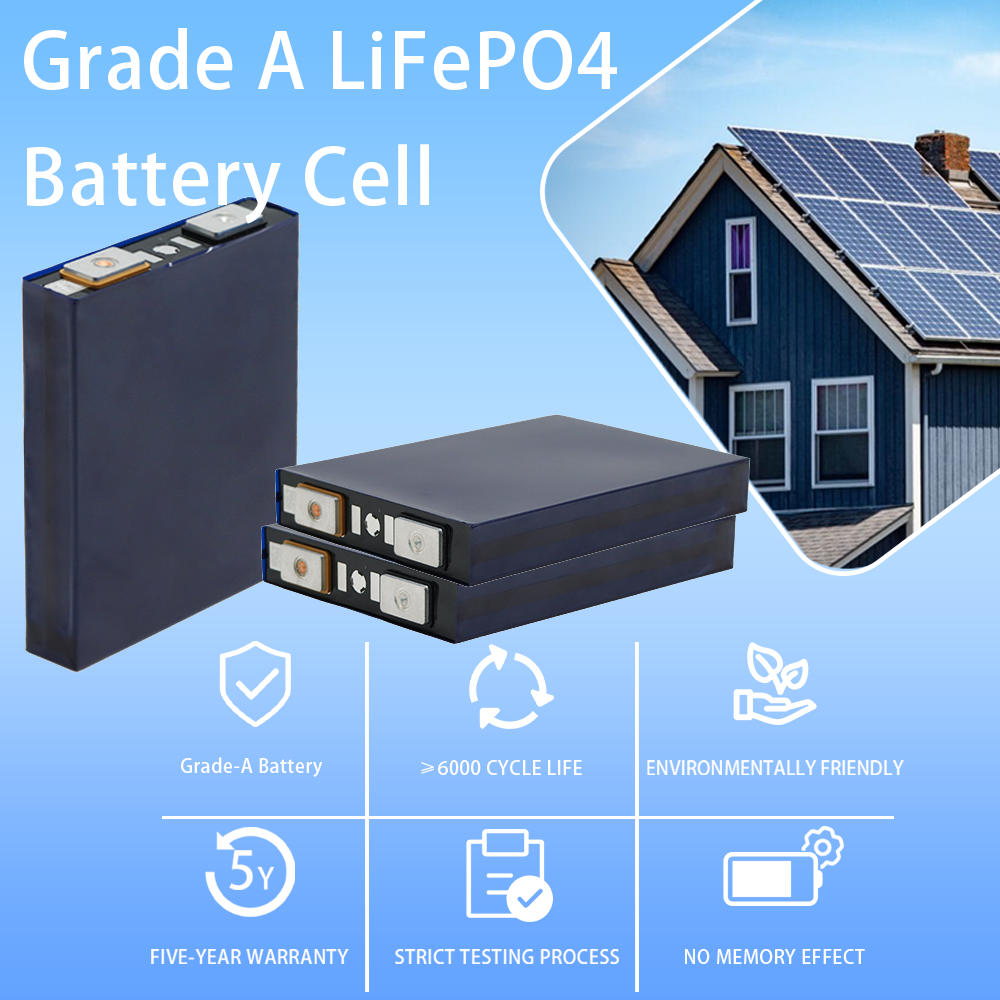
Uses A-grade LiFePO4 chemistry providing a deep cycle life of more than 5,000 cycles (~10 years of use). Performs up to 8 times longer than traditional lead-acid batteries, significantly reducing overall maintenance and replacement costs.
Lightweight & Easy to Handle
Weighing only 2.4 kg (5.3 lbs), this unit is 1/3 the weight of an equivalent lead-acid battery. Its lightweight, compact design allows easy handling, transportation, and setup flexibility for diverse power configurations.
100% Protection | Risk-Free
Equipped with an advanced Battery Management System (BMS) to protect against overcharging, over-discharging, over-current, short circuits, and temperature variations. High thermal stability minimizes thermal runaway risk.
High Energy Density & Output
With a nominal capacity of 96Wh, this battery offers exceptional energy density for efficient storage and release. Stable voltage distribution ensures reliable power delivery for off-grid systems and electric vehicles.
Flexible & Scalable Design
Connect easily in series or parallel to expand power capability. 4 cells in series (4S) yield 12.8V, while larger scalable configurations support 24V, 48V, or 96V systems tailored to residential or industrial applications.
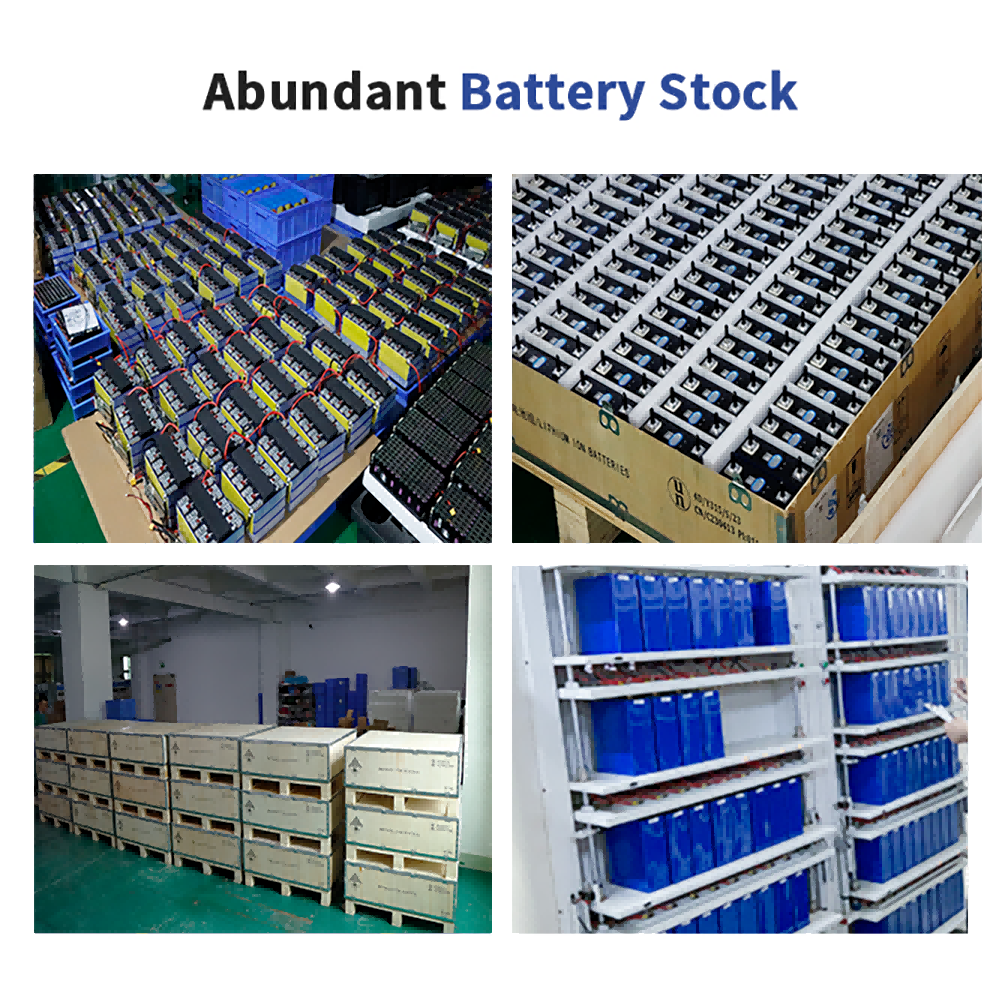

Many More Models
| ITEM# | Nominal Voltage | Nominal Capacity |
|---|---|---|
| 3.2V type | 3.2V | 1.5Ah, 2Ah, 3Ah...20Ah |
| 6.4V type | 6.4V | 1.5Ah, 2Ah, 3Ah...10Ah |
| 12.8V type | 12.8V | 10Ah / 30Ah / 50Ah / 100Ah / 200Ah...500Ah |
| 25.6V type | 25.6V | 30Ah / 50Ah / 100Ah / 200Ah...500Ah |
| 51.2V type | 51.2V | 30Ah / 50Ah / 100Ah / 200Ah...500Ah |
| 76.8V type | 76.8V | 30Ah / 50Ah / 100Ah / 200Ah...500Ah |
| Contact [email protected] for more options. | ||
Frequently Asked Questions
Q: What is the lifespan of the FOYASOLAR 3.2V 30Ah LiFePO4 battery cell?
The battery cell utilizes A-grade LiFePO4 technology, offering over 5,000 deep cycles (equivalent to approximately 10 years of regular use). It lasts up to 8 times longer than standard lead-acid batteries.
Q: Can multiple 3.2V 30Ah cells be connected to build higher voltage systems?
Yes, these cells are flexible and scalable. You can connect them in series or parallel to form larger packs, such as 12.8V (4S), 24V, 48V, or 96V systems tailored to your specific application needs.
Q: What protection features are included with this battery?
The battery is designed to work with an advanced Battery Management System (BMS) that guards against overcharging, over-discharging, over-current, short-circuiting, and extreme temperature fluctuations.
Q: What are the operating temperature ranges for charging and discharging?
The charging temperature range is 32°F to 131°F (0°C to 55°C), and the discharging temperature range is -4°F to 131°F (-20°C to 55°C).
Q: What OEM and customization options are available?
Customized options include custom battery cases, logos, labels, and optional communication protocols or features like Bluetooth, Wi-Fi, self-heating functions, RS485, and CAN Bus.
Q: What are the main applications for these battery cells?
They are widely used in solar power systems, electric vehicles (EVs), marine battery banks, off-grid energy storage systems, and industrial backup power solutions.









