
Top 10 LiFePO4 Cell Suppliers for Global Buyers?

Time:2026-11-23 Author:Mason
0%

Choosing from the Top 10 LiFePO4 cell suppliers requires more than comparing quoted prices. A Lifepo4 Cell may look identical to another on a specification sheet, yet differ in capacity consistency, internal resistance, cycle-life testing, and production traceability. Small details matter. A few milliohms can affect heat and performance across a large battery pack.

This guide introduces suppliers for global buyers and highlights practical checks: published test conditions, batch records, sample availability, warranty terms, and clear communication. Battery scientist Dr. M. Stanley Whittingham’s research offers a useful reminder: battery chemistry is only one part of a reliable energy-storage system. Buyers should also examine cell design, manufacturing controls, and how performance claims were measured. A datasheet is a starting point, not proof.

The list is intended to support supplier screening, not replace technical due diligence. Some companies disclose detailed data; others provide less, and that gap deserves attention. This comparison is not perfect, because supplier capabilities and product lines can change. Ask for current documents, compare like-for-like test results, and evaluate samples under your own operating conditions. A polished website is not enough. The right supplier is the one whose specifications, evidence, and support fit the intended application—and remain consistent after the first order.
Top 10 LiFePO4 Cell Suppliers for Global Buyers?

LiFePO4 Cells: Chemistry, Formats, and Common Applications

LiFePO4, or lithium iron phosphate, is a lithium-ion chemistry known for a stable phosphate-based structure. Its nominal cell voltage is about 3.2 volts, though charging limits should follow the cell specification. Compared with some other lithium-ion chemistries, it generally offers strong thermal stability and long cycle life under suitable conditions. That does not make a battery risk-free. Cell quality, temperature, charging, and the battery management system all matter. That matters.

Cells come in cylindrical, prismatic, and pouch formats. Cylindrical cells have a rigid casing and suit modular packs. Prismatic cells stack neatly, which can simplify space-efficient designs. Pouch cells are lightweight, but require careful mechanical support. The format alone does not determine performance; connections, cooling, and pack assembly also shape results. Not interchangeable.

Common uses include home energy storage, solar systems, recreational vehicles, marine equipment, and electric utility carts. In a storage cabinet, stable daily charging can make cycle life especially relevant. For a vehicle, vibration resistance and reliable low-temperature operation may deserve closer attention. LiFePO4 can lose available power in cold conditions, so installation details matter. A specification sheet is useful, but it cannot replace checking the intended load, operating climate, and charging profile. That check is easy to skip.

How to Evaluate Suppliers for Global Procurement

Top 10 LiFePO4 Cell Suppliers for Global Buyers?

How to Evaluate Suppliers for Global Procurement

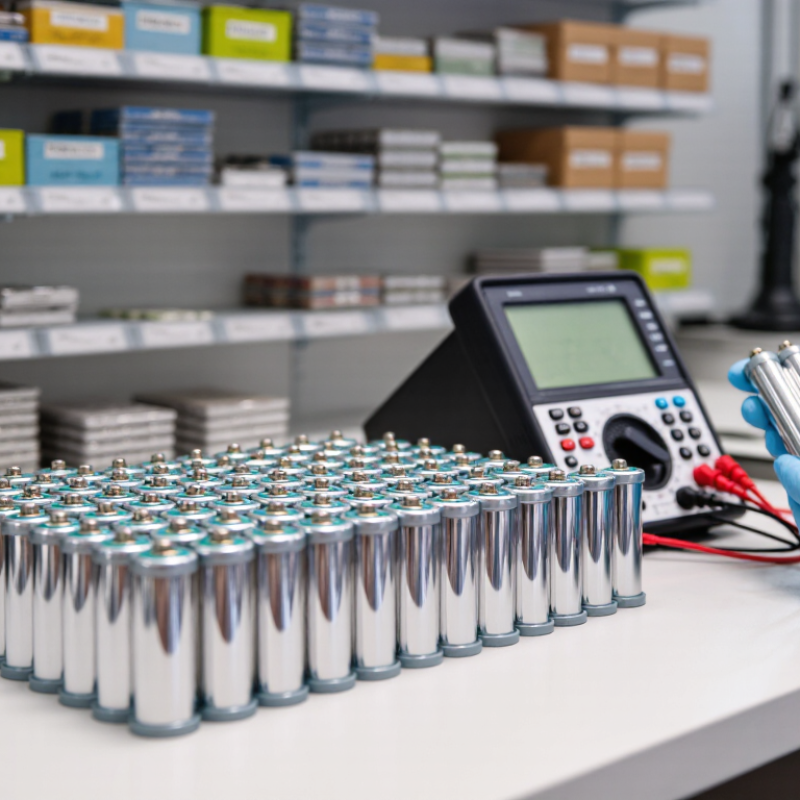
A reliable supplier should provide more than an attractive price and a polished datasheet. Compare the stated capacity, voltage range, internal resistance, and cycle-life test conditions. Results only make sense when test methods and temperatures are clear. Ask how cells are graded and whether batch-level records are available. Numbers need context. Request sample cells, then measure capacity and resistance using consistent equipment before approving a large order.

Tips: Check whether the supplier can share traceable batch documents, clear warranty terms, and realistic production lead times. Confirm packaging details, shipping conditions, and which product documents are relevant to your destination market. Keep the answers in writing.

For global procurement, review the supplier’s quality controls and communication practices, not just its certificates. Ask how it handles out-of-spec cells, production changes, and delivery delays. A video factory tour or audit may help, but it cannot replace independent sample testing. Small gaps matter. Compare the quoted specification with the cells you receive, and agree on an inspection plan before shipment. One awkward point: even careful checks cannot remove every risk. Leave time and budget for follow-up testing, especially when a new supplier’s records are limited.

Top 10 LiFePO4 Cell Suppliers for Global Buyers? - How to Evaluate Suppliers for Global Procurement

Supplier evaluation checklist — criteria to compare; not a ranked list of companies.

No. Evaluation dimension What to request or verify Evidence to review Buyer score (0–5)
1 Cell specifications and application fit Confirm cell format, rated capacity, nominal voltage, dimensions, mass, operating limits, and intended application. Current datasheet and controlled product specification; compare test conditions and discharge cut-off values. ____ / 5
2 Capacity and performance validation Ask how capacity, voltage, internal resistance, and other acceptance characteristics are tested and reported for each lot. Sample test report, inspection plan, measurement conditions, and agreed acceptance criteria. ____ / 5
3 Cycle-life claims Compare cycle-life claims only when charge/discharge rates, temperature, depth of discharge, and end-of-life definition are stated. Test protocol and supporting results; confirm whether figures are guaranteed, typical, or based on limited testing. ____ / 5
4 Safety and transport documentation Check applicable safety documentation and ensure the exact cell type and configuration are covered by transport test evidence. Relevant IEC test documentation where applicable; UN 38.3 test summary for lithium-battery transport; current SDS. ____ / 5
5 Quality management and process control Assess manufacturing controls, nonconformance handling, corrective actions, and change notification practices. Quality-management-system certificate, audit findings, process-control records, and change-control procedure. ISO 9001 relates to the management system, not product approval. ____ / 5
6 Traceability and lot consistency Verify that delivered cells can be traced to production lots and that lot-level inspection records are available. Sample labels, lot records, certificates of analysis (if provided), and documented retention or complaint procedures. ____ / 5
7 Warranty and technical support Clarify warranty duration, exclusions, claim evidence, response channels, and support for integration or failure analysis. Written warranty terms, support process, escalation contacts, and sample failure-analysis report. ____ / 5
8 Production capacity and delivery reliability Confirm available capacity, quoted lead time, order flexibility, and how shortages or schedule changes are communicated. Written capacity and lead-time confirmation, recent delivery-performance data, and a continuity plan. ____ / 5
9 Export readiness and packaging Check destination-market requirements, shipping documentation, packaging method, and responsibility for dangerous-goods arrangements. Shipping-document checklist, packaging details, applicable test summaries, and agreed Incoterms® rule and named place. ____ / 5
10 Total cost and commercial terms Compare unit price alongside MOQ, tooling or testing charges, payment terms, quote validity, freight, duties, and warranty exposure. Itemized quotation and written commercial terms; evaluate landed cost for the intended destination. ____ / 5

Note: Applicable standards and regulatory requirements depend on the product, transport mode, and destination market. Verify current requirements and document validity before purchase.

Profiles of 10 LiFePO4 Cell Suppliers

Profiles of ten LiFePO4 cell suppliers are more useful when they reveal production strengths and limits. One supplier may specialize in large prismatic cells, while another focuses on cylindrical formats. A third may offer pouch cells for compact equipment. These differences affect pack design, cooling, and assembly. Small details matter.

Other profiles may include a producer serving electric vehicles, a specialist in stationary storage, and a supplier focused on backup power. Marine and mobile applications call for attention to vibration resistance and operating conditions. Low-temperature performance deserves separate test data, not just a broad temperature claim. Custom-engineering suppliers may adapt dimensions or terminals, but buyers should confirm minimum order quantities and validation timelines.

A regional distributor can simplify communication, yet may provide less direct visibility into cell production. Ask each supplier for current datasheets, batch traceability, capacity tolerances, and independent test reports. Compare warranty terms carefully. A polished specification sheet can still leave unanswered questions. I would treat sample testing as essential, even when documents look complete. Check charging behavior, temperature rise, and consistency across several cells before committing to a large order.

Comparing Quality, Certifications, Capacity, and Delivery

A useful LiFePO4 supplier comparison starts with evidence, not a headline capacity figure. The IEA’s Global EV Outlook 2024 estimates that global battery manufacturing capacity reached about 2.5 TWh in 2023, roughly 2.5 times battery demand. That figure covers battery production broadly; it does not prove a supplier can deliver your required LiFePO4 cell model on schedule. Capacity claims need context.

For quality, request recent batch test records showing capacity, internal resistance, and results under stated temperature and charge rates. Cycle-life figures are meaningful only when the test conditions are disclosed. Check that IEC 62619 certificates cover the specific cell and production site. ISO 9001 describes a quality-management system, not a guarantee that every cell meets specification. UN 38.3 documentation matters for transport. Verify certificate scope and validity. Small detail. Often missed.

Compare monthly available output with your forecast, then ask how allocation changes during peak demand. A factory’s nameplate capacity is not the same as uncommitted stock. For delivery, request a written lead time, shipment terms, packaging details, and a plan for delayed batches. Ask for traceability from cell lot to test report. One awkward question is worth asking: can the supplier show recent on-time delivery data? Public information rarely answers that fully, so buyers should treat unsupported claims cautiously and record agreed tolerances before ordering.

Top 10 LiFePO4 Cell Suppliers for Global Buyers? — Comparing Quality, Certifications, Capacity, and Delivery

Buyer evaluation framework: suggested weighting of key comparison criteria, totaling 100 points.

These points are an illustrative buyer-side weighting, not measured supplier results or a ranking. Compare suppliers using verified test reports, applicable certifications, documented production capacity, and delivery records.

Global Sourcing Considerations: Logistics, Compliance, and Support

For global buyers comparing LiFePO4 cell suppliers, logistics deserves the same attention as price and capacity. Ask how cells are packed, labeled, and prepared for transport. Request current test reports, safety data sheets, and shipment documents before placing a large order. Requirements can vary by destination and transport mode, so verify them with your carrier and local compliance team. A missing document can delay a shipment for days.

Plan for practical details. Confirm the shipping origin, estimated transit time, temperature limits, and process for damaged cartons. Ask whether the supplier can provide batch numbers that match the paperwork and cell labels. Keep a sample set of records. It helps when receiving teams need to trace a batch months later. Small details matter.

Support should continue after delivery. Check response times for technical questions, warranty claims, and requests for updated specifications. A clear contact person is useful when a shipment arrives with inconsistent labels or an unexpected voltage reading. Not every supplier handles this smoothly; that is worth testing before committing. Send a few specific questions and note how clearly they answer. Fast replies are helpful, but accurate ones matter more.

FAQS

What is a LiFePO4 cell?

It is a lithium-ion cell using lithium iron phosphate chemistry. Its nominal voltage is about 3.2 volts. Not risk-free.

What makes LiFePO4 useful for energy storage?

It generally offers strong thermal stability and long cycle life under suitable conditions. Cell quality, temperature, charging, and battery management still matter.

What cell formats are available?

Common formats include cylindrical, prismatic, and pouch cells. Cylindrical cells have rigid casings, while prismatic cells stack neatly. Pouch cells need careful mechanical support.

Which applications commonly use these cells?

They are used in home storage, solar systems, recreational vehicles, marine equipment, and electric utility carts. Match the cell to its intended load and climate.

How should buyers compare cell specifications?

Check capacity, voltage range, internal resistance, and cycle-life test conditions. Ask about test methods and temperatures. Numbers need context.

What should buyers check before approving a large order?

Request sample cells and measure capacity and resistance with consistent equipment. Compare received cells with the quoted specifications. I might be overchecking, but small differences can matter.

Which documents and shipping details should buyers confirm?

Request current test reports, safety data sheets, and shipment documents. Confirm packaging, labels, shipping origin, transit time, and damaged-carton procedures. Keep batch records.

What support should a supplier provide after delivery?

Check response times for technical questions, warranty claims, and specification updates. A named contact helps when labels differ or voltage readings seem unexpected. Fast replies help; accurate ones matter more.

Conclusion

This article introduces the chemistry, common formats, and practical applications of LiFePO4 cells, from energy storage to electric mobility and industrial equipment. It explains how global buyers can assess suppliers by reviewing product consistency, quality controls, relevant certifications, manufacturing capacity, delivery reliability, and technical support. The profiles of ten supplier types offer a structured way to compare potential partners without relying on brand names or a single purchasing criterion.

The guide also outlines key considerations for international sourcing, including shipping arrangements, documentation, destination-market requirements, communication, and after-sales service. By weighing these factors alongside price and specifications, buyers can make a more informed choice and reduce procurement uncertainty. Whether evaluating a single Lifepo4 Cell or planning recurring orders, a clear sourcing process helps align product performance, supply needs, and long-term support.

Mason

Mason

Mason is a seasoned marketing professional with a deep expertise in the company's offerings and a passion for driving brand awareness. With a strong background in digital marketing strategies, he has an innate ability to connect with diverse audiences and effectively communicate product benefits.......